Network Cable Testing vs. Certification: What Businesses Should Ask
By Royal Nerds · A practical guide for business owners
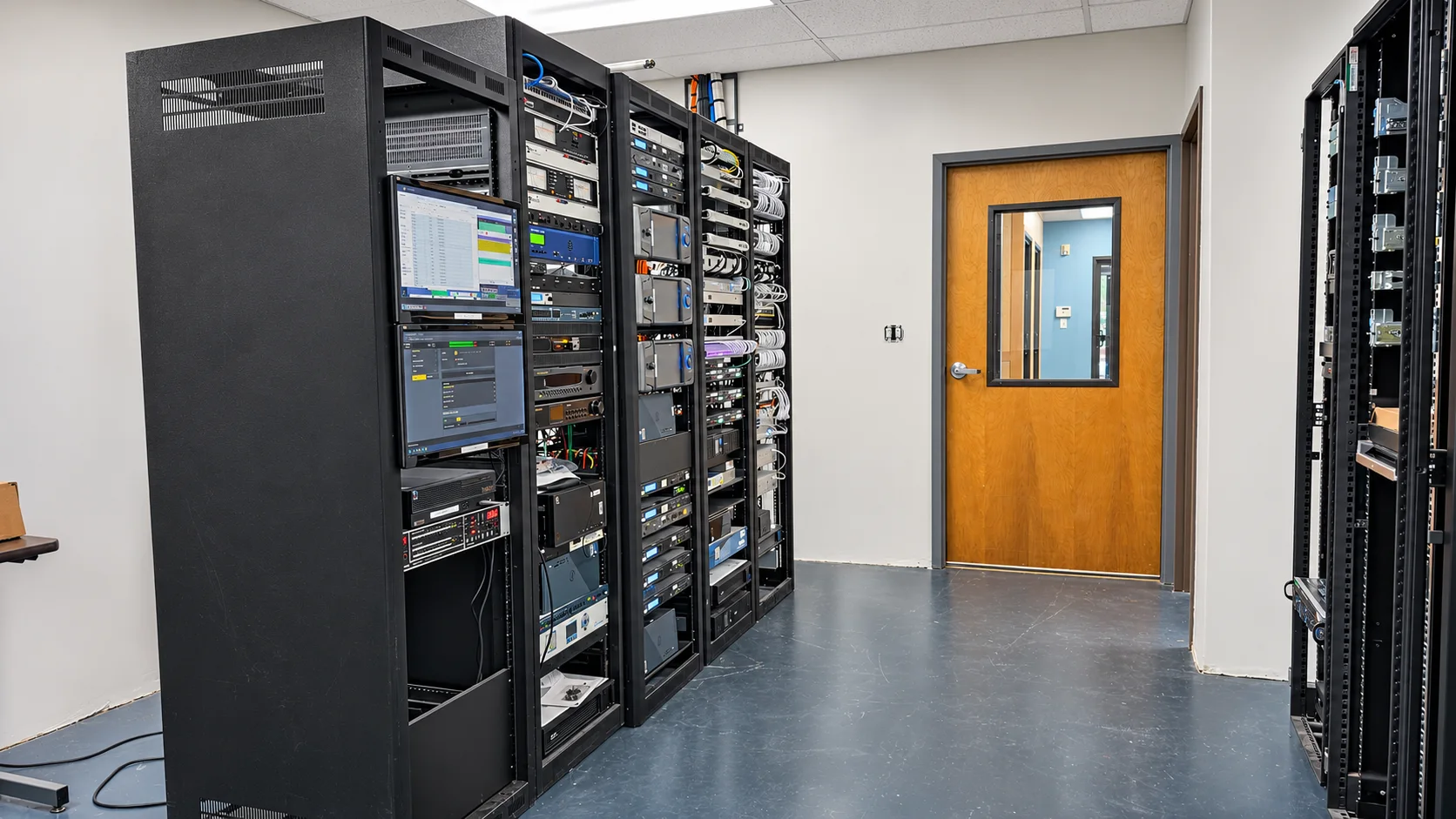
Illustrative image adapted from a supplied photograph.
The short answer
“Tested” can mean three different things. Verification checks the wiring, qualification evaluates support for a named application, and certification measures an installed link against a selected cabling standard and test limit. Agree which question your installer will answer, then ask for results that match the work delivered.
Which cable test do you need?
A cable jacket marked Cat6 tells you what the product is labeled as. It does not document the performance of the finished connection in your building. The table below separates basic fault finding, application checks and standards-based acceptance.
| Test level | What it answers | Typical use and limitation |
|---|---|---|
| Verification | Is the wiring connected correctly? | Finding wiring faults such as opens, shorts or incorrect connections. A wiring pass does not establish category compliance or application bandwidth. |
| Qualification | Can the link support the application being checked? | Assessing an existing link for a stated Ethernet application or upgrade. Application support does not establish compliance with every requirement of a cabling standard. |
| Certification | Does the installed link meet the selected cabling standard and limit? | Documented acceptance when standards compliance is required by the project. The result applies to the tested link, configuration and selected limit. |
Technical reference: Fluke Networks’ overview of network cable testing (opens in a new tab).
Choose the evidence before the work starts.
For an existing connection that needs to support a particular application, qualification may answer the immediate question. If the project requires proof of compliance with a cabling standard, specify certification. The right choice comes from the acceptance requirement, not the price or brand of the tester.
Write the requirement into the scope: which links, which test level, what records you will receive and what happens to failed results. If a manufacturer warranty is part of the purchase, confirm its separate eligibility and testing requirements with that manufacturer. A workmanship warranty and a cable manufacturer’s warranty cover different commitments.
Reference: Fluke Networks on certification versus qualification (opens in a new tab).
What to request in a certification handover
A report is most useful when someone can use it months later to identify the connection, understand the test and compare future changes. Ask your installer to walk through these four items with you.
Link identity
Each result should map to a labeled outlet or cable run. “Cable 01” is useful only if your team can find Cable 01 in the building.
Scope and test limit
Ask which cabling standard and category or class were selected, and what the test included: the fixed permanent link or the full channel, for example.
Date and instrument details
Keep the test date, equipment information and available calibration details with the project record. A report from another installation cannot establish what was tested at yours.
Results and files
Request the overall result and supporting measurements for each agreed link. Confirm whether you receive a readable report, native result files or both.
For Fluke Networks reports, the manufacturer recommends examining the actual test results and retaining the native files. “Fluke tested” by itself does not identify the test performed or establish an endorsement of the components or installation.
References: Fluke Networks on certification claims and reports (opens in a new tab); reading the LinkWare report (opens in a new tab).
From our field work
A recent installation still needed repairs.
At La Tapatia Supermercado in Rock Hill, Royal Nerds corrected a recent installation with cut cables and improperly installed cabling. We recabled sections, reinforced the main network and left all cabling identified and secured.
The project included certification with Fluke Networks equipment, certification documentation and a one-year workmanship warranty. That warranty describes this project; the scope and warranty for another job should be agreed in its proposal.
Read the La Tapatia repair storyWhat if the results do not match the job?
Start with identity and scope. Confirm that the report describes your labeled link and the required test configuration. If a result fails, have the technician diagnose the affected connection, repair the cause and retest it. Keep the final results with the updated labels and connection records.
A passing cable test also does not diagnose every business network problem. Internet service, switching, addressing, wireless coverage or a POS application may need separate investigation. Explain which devices fail and when, so the technician can narrow the problem instead of replacing working equipment.
Cable testing questions, answered
What is the difference between cable testing and certification?
Cable testing is a broad term. Verification checks basic wiring, qualification assesses support for a specified network application, and certification measures an installed link against a selected cabling standard and test limit. Ask which level is included before accepting the work.
Does a working internet connection prove that my cable is certified?
No. A working connection shows that a device communicated under those conditions. It does not replace a certification test or establish that the installed link meets the selected cabling standard.
What should a cable certification report include?
Request results tied to the labels on your installed links, the test date, the selected standard and test limit, the test configuration, the instrument information and the recorded results. Agree the report format and any native result files before handover.
Does “Fluke tested” mean Fluke Networks endorsed the installation?
No. Fluke Networks makes several types of test equipment. The brand alone does not identify the test level, test setup or result, and it does not mean Fluke Networks endorsed the installer or cabling components. Ask for the actual results and what was tested.
Should repaired cabling be tested again?
Yes. Ask the technician to test the affected links after the repair and update the documentation. Where certification is part of the acceptance requirement, obtain certification results for the repaired configuration before signing off.
Keep planning with real examples.
Need to evaluate your business cabling?
Tell Royal Nerds what was installed, what documentation you have and what is going wrong. We can discuss an evaluation and define the testing or repair scope for your business.
Talk to Royal NerdsResumen en español
Pide pruebas que correspondan al trabajo contratado.
Verificar comprueba las conexiones; calificar evalúa una aplicación de red específica; certificar compara el enlace instalado con el estándar y límite seleccionados. Antes de aceptar una instalación, acuerda qué se probará y pide resultados identificados con las etiquetas del cableado. En La Tapatia, Royal Nerds corrigió el cableado y entregó certificación con equipo de Fluke Networks y garantía de un año sobre ese trabajo. Te atendemos en español e inglés.